Open the bonnet of a car built in the 1990s and then one built recently. The difference is not only electronics. An enormous number of components that used to be metal are now engineered polymer — air intake manifolds, fluid reservoirs, fan shrouds, structural brackets, interior panels and dozens of parts most drivers never see. This substitution is the industry behind the Manika Plastech IPO, and The Viral Blaze readers may be surprised how deliberate and engineering-driven the shift has been.
Why Weight Became The Enemy
Every kilogram removed from a vehicle improves fuel efficiency and reduces emissions. As efficiency norms tightened globally, manufacturers went hunting for weight in every component, and polymer substitution became one of the most cost-effective levers available.
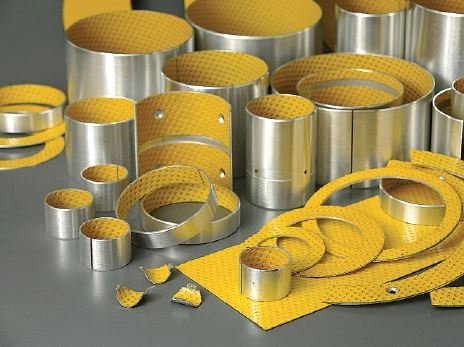
Modern engineering plastics — glass-filled polyamides, polypropylene compounds, and similar materials — deliver strength-to-weight ratios that make them viable replacements for steel and aluminium in a growing list of applications. They also resist corrosion entirely, which for underbody and fluid-handling components is a durability advantage rather than a compromise.
The Additional Benefit: Part Consolidation
There is a second advantage that engineers value as much as weight. A metal assembly might require six stamped pieces, welding and fasteners. The same function can often be moulded as a single polymer part with mounting features built directly into the geometry.
Timescales in this trade are worth noting. Investors who track a listing closely — refreshing ipo allotment status pages the moment results are published — are watching an event that resolves within a day, while a single approved tool can lock in a supply relationship for most of a vehicle programme’s production life.
Fewer parts means fewer suppliers, fewer joints that can leak or loosen, less assembly labour and lower inventory complexity. The saving is often larger in assembly cost than in material cost.
How An Automotive Plastic Part Gets Made
The process is more demanding than the word “moulding” suggests:
- Design collaboration with the vehicle manufacturer, including flow simulation and structural analysis
- Tooling development — a hardened steel mould, expensive and precise, taking months to build and validate
- Material selection matched to thermal, chemical and mechanical requirements
- Trial production and dimensional validation against drawing tolerances
- Customer approval through a formal part approval process
- Series production at defined cycle times with continuous quality monitoring
The tooling stage is the commercial pivot. Moulds are costly, and once a tool is built and approved for a specific vehicle programme, that supplier effectively holds the part for the model’s production life.
The Customer Relationship Is The Business
Automotive component supply is defined by its customers. Vehicle manufacturers qualify suppliers rigorously, audit their quality systems, and expect defect rates measured in parts per million rather than percentages.
The relationship carries genuine advantages and genuine constraints:
- Advantage: approved suppliers receive stable volumes across a model’s production life
- Advantage: proximity requirements often lead to plants located near customer facilities, creating logistical stickiness
- Constraint: annual price reduction expectations are a normal feature of contracts
- Constraint: volumes depend entirely on the customer’s model success
- Constraint: concentration is inevitable when a few manufacturers dominate the market
The Electric Vehicle Question
Electrification changes the component mix substantially. Engine-related plastic parts diminish. But new requirements emerge — battery pack housings and covers, thermal management components, high-voltage insulation parts, and an even stronger emphasis on weight reduction to extend range.
Suppliers whose portfolio is concentrated in engine-adjacent components face a transition challenge. Those with broader capability across interiors, structural parts and thermal systems adapt more easily.
What To Examine In Such A Business
Useful indicators include the proportion of revenue from parts likely to persist through electrification, the number of active tooling programmes, customer and platform concentration, capacity utilisation across machine tonnage ranges, and the ability to pass polymer resin price movements through to customers.
Resin costs deserve particular attention. Engineering polymers are petrochemical derivatives, and their prices move with crude oil and regional supply conditions. Contracts with material price adjustment mechanisms protect margins; those without leave the supplier absorbing volatility it cannot control — a distinction that separates comfortable years from difficult ones far more reliably than volume growth does.